
INTRODUCTION
In 2026, online privacy has become one of the most important concerns for internet users across the world. Every time you browse a website, use social media, shop online, or connect to public Wi-Fi, your data is being transmitted through networks that can potentially be monitored or tracked. This is where a VPN (Virtual Private Network) becomes extremely important.
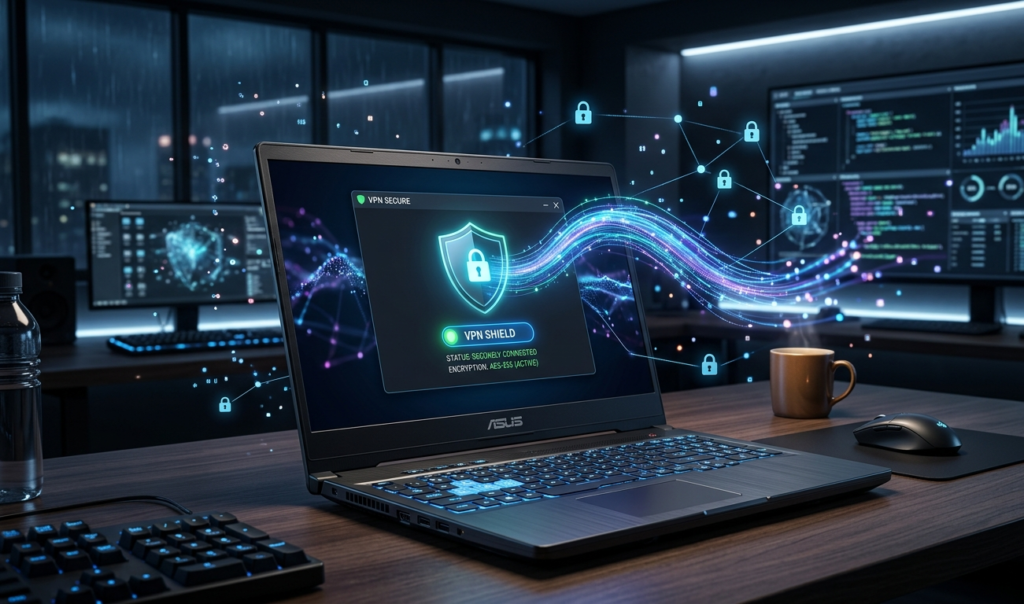
A VPN is a technology that creates a secure and encrypted connection between your device and the internet. Instead of your data traveling directly through your internet service provider (ISP), it is first routed through a secure VPN server. This process hides your real IP address, encrypts your internet traffic, and makes it almost impossible for hackers, advertisers, or third parties to track your online activity.
Modern VPNs are no longer just privacy tools. They are now complete digital security systems that include malware protection, ad blocking, data leak protection, and even identity protection features. Many users also rely on VPNs to access global content, bypass restrictions, and improve overall browsing freedom.
In this detailed guide, you will learn everything about VPN services, how they work, and which top VPN providers are best for secure browsing in 2026.
STEP 1: UNDERSTANDING HOW A VPN REALLY WORKS
To fully understand VPN services, you must first understand how internet connections normally work without protection. When you connect to the internet without a VPN, your device sends data requests directly to websites through your internet service provider. This means your ISP can see every website you visit, how long you stay there, and sometimes even what you download or search for.
A VPN changes this entire process. When you activate a VPN, your internet connection is redirected through a secure encrypted tunnel. This tunnel acts like a protective shield around your data. Instead of your ISP seeing your activity, they only see encrypted traffic going to a VPN server.
This VPN server then forwards your request to the website you want to visit. The website only sees the VPN server’s IP address, not your real one. This hides your identity and location completely.
The encryption used by VPNs is very advanced, often military-grade AES-256 encryption. This means even if someone intercepts your data, they cannot read it without the encryption key.
VPNs also use protocols like OpenVPN, WireGuard, and IKEv2, which determine speed and security levels. Modern VPNs automatically choose the best protocol for performance.
Understanding this process is important because it shows that a VPN is not just a simple app—it is a complete privacy system that protects your entire internet connection from end to end.
STEP 2: WHY ONLINE PRIVACY IS MORE IMPORTANT THAN EVER
The internet has become deeply integrated into daily life, but this convenience comes with serious privacy risks. Websites, advertisers, apps, and even hackers constantly collect data from users. This includes browsing habits, location, device information, and sometimes personal identity details.
Without protection, this data can be used for targeted advertising, surveillance, or even cyber attacks. Public Wi-Fi networks are especially dangerous because they are often unsecured, making it easier for attackers to intercept sensitive information like passwords or banking details.
A VPN protects you by hiding your digital identity. It ensures that your online activity cannot be traced back to your real location or device. This is especially important for journalists, business professionals, freelancers, and anyone who values privacy.
In addition, governments and internet providers in some regions may restrict access to certain websites or platforms. A VPN helps bypass these restrictions safely and securely, allowing free access to global information.
As cyber threats continue to grow in 2026, using a VPN is no longer optional for serious internet users—it has become a basic requirement for safe browsing.
STEP 3: BEST VPN SERVICES IN 2026
There are hundreds of VPN providers available today, but only a few stand out due to their performance, security, and reliability. The top three VPN services in 2026 are:
1. NordVPN
NordVPN is widely considered one of the most secure and advanced VPN services in the world. It offers strong AES-256 encryption, a strict no-logs policy, and thousands of servers across multiple countries. It also includes extra features like Threat Protection, which blocks malware, ads, and suspicious websites automatically.
NordVPN is ideal for users who want maximum security, fast speeds, and advanced privacy tools.
2. ExpressVPN
ExpressVPN is known for its simplicity and extremely stable performance. It is designed for users who want a VPN that “just works” without complicated settings.
It offers fast servers in multiple countries, strong encryption, and excellent streaming support. It is one of the most reliable VPNs for accessing geo-restricted content like Netflix libraries and other streaming platforms.
ExpressVPN is best for beginners and users who prioritize ease of use and reliability.
3. Surfshark
Surfshark has gained massive popularity due to its affordability and unlimited device connections. Unlike most VPNs that limit the number of devices, Surfshark allows you to connect all your devices under one account.
It also includes features like CleanWeb (ad and malware blocking), MultiHop (double VPN routing), and strong privacy protection.
Surfshark is best for families, students, and users who want budget-friendly but powerful protection.
STEP 4: HOW TO SET UP A VPN PROPERLY
Setting up a VPN is simple, but doing it correctly ensures maximum security and performance. The first step is selecting a trusted VPN provider and creating an account on their official website. After choosing a subscription plan, you will receive access to download the VPN application.
VPN apps are available for all major platforms including Windows, macOS, Android, and iOS. Some VPNs also provide browser extensions for quick access.
After installation, you log in using your account credentials. Most VPNs have a “Quick Connect” button that automatically connects you to the fastest available server based on your location.
However, you can also manually select servers depending on your needs. For example, if you want to access US content, you can connect to a US server.
It is also very important to enable advanced settings such as:
- Kill Switch (disconnects internet if VPN drops)
- Auto-connect on startup
- DNS leak protection
These features ensure that your data never leaks outside the VPN tunnel.
Proper setup is essential because even the best VPN will not protect you if it is not configured correctly.
STEP 5: SERVER NETWORK AND SPEED OPTIMIZATION
VPN performance is heavily dependent on server networks. VPN providers maintain thousands of servers around the world to ensure users can connect quickly and securely.
The closer the server is to your physical location, the faster your connection will be. This is because data travels shorter distances, reducing latency.
However, premium VPNs optimize their global infrastructure so that even distant servers maintain good speed. Technologies like load balancing and dedicated streaming servers help improve performance.
If you are using a VPN for streaming, gaming, or downloading, selecting the right server is very important. A poorly chosen server can lead to buffering, lag, or slow downloads.
Understanding how to switch servers based on your activity is a key skill for advanced VPN users.
STEP 6: STREAMING AND UNBLOCKING CONTENT
One of the most common uses of VPNs is accessing restricted content. Many streaming platforms and websites show different content based on geographical location.
A VPN allows you to change your virtual location by connecting to servers in different countries. This unlocks content libraries that may not be available in your region.
However, not all VPNs are equally effective for streaming. Some platforms actively block low-quality VPNs. That is why premium VPNs like ExpressVPN are widely used for smooth streaming without interruptions.
VPNs also help avoid ISP throttling, which is when your internet provider slows down your connection based on usage.
STEP 7: ADVANCED SECURITY FEATURES
Modern VPNs include advanced tools beyond basic encryption. These features include:
- Malware protection
- Ad blockers
- Split tunneling
- Double VPN routing
- Onion over VPN
These tools provide multiple layers of protection and allow users to customize their security levels.
Split tunneling, for example, lets you choose which apps use the VPN and which use normal internet. This improves speed while maintaining security for sensitive apps.
STEP 8: PRIVACY POLICIES AND TRUST FACTORS
A VPN is only as trustworthy as its privacy policy. A good VPN must follow a strict no-logs policy, meaning it does not store any user activity data.
Before choosing a VPN, always check if it has been independently audited by security firms. Audits confirm that the provider actually follows its privacy claims.
Transparency is a key factor when selecting a VPN because your entire privacy depends on it.
STEP 9: MULTI-DEVICE PROTECTION
Modern users own multiple devices such as smartphones, laptops, tablets, and smart TVs. A good VPN should protect all of them simultaneously.
Some VPNs like Surfshark allow unlimited device connections, making them ideal for families.
This ensures that your entire digital environment remains secure at all times.
STEP 10: BUILDING LONG-TERM SAFE BROWSING HABITS
A VPN is a powerful tool, but it should be combined with smart browsing habits. Always avoid suspicious websites, unknown downloads, and phishing links.
Keeping your VPN active during sensitive tasks like banking or public Wi-Fi usage is essential.
Regular updates and proper usage ensure long-term security.
CONCLUSION
VPN services in 2026 are essential for anyone who values online privacy, security, and freedom. They protect your data, hide your identity, and allow safe access to global content.
By choosing trusted providers like NordVPN, ExpressVPN, or Surfshark and using them correctly, you can achieve complete digital protection.